Endoscopic Glue Therapy
Gastrointestinal Motility Testing
- Esophageal Manometry
- Anorectal Manometry
Esophageal PH Metry
Breath Test
- Hydrogen (SIBO)
- Lactose (Lactose Intolerance)
- H. Pylori
Endosopy
- Upper GI Endoscopy
- Capsule Endoscopy
- Double Balloon Small Bowel Endoscopy
- Pediatric Endoscopy
- Endoscopic Ultrasound
Interventional Endosonography (EUS)
- EUS guided Cystogastrostomy
- EUS guided Gastric Varices Coiling
- EUS guided Choledochoduodenostomy
- EUS guided Cholecystogastrostomy
- EUS guided HepaticoGastrostomy
- EUS guided Gastrojejunostomy
Gastroscopy
- EUS guided Cystogastrostomy
- EUS guided Gastric Varices Coiling
- EUS guided Choledochoduodenostomy
- EUS guided Cholecystogastrostomy
- EUS guided HepaticoGastrostomy
- EUS guided Gastrojejunostomy
ENDOSCOPIC GLUE THERAPY IN NAGPUR
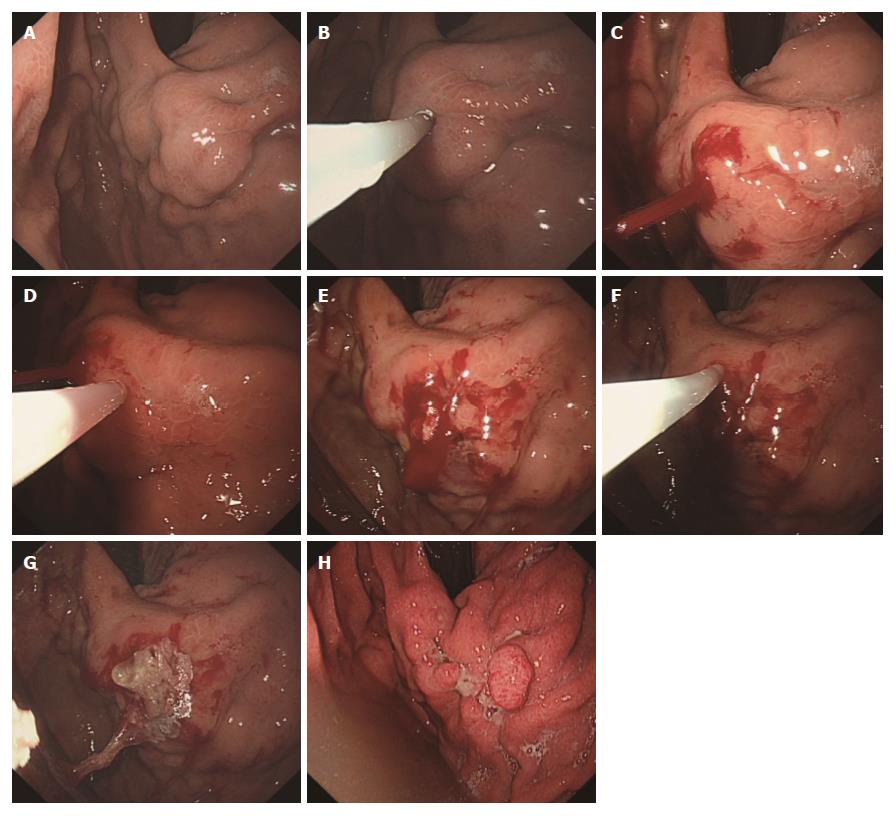
Endoscopic glue therapy is a test which allows the doctor to look directly at the gastric varices and inject medical grade glue to prevent bleeding. Diagnostic endoscopic glue therapy is recommended for gastric varices in cirrhotic patients, history of variceal bleeding and as a preventive test for high-risk patients. In order to do the test, an endoscope is carefully passed through the mouth into the esophagus, stomach and proximal duodenum. The endoscope is a long flexible tube, about the thickness of your index finger, with a bright light at its tip. The video camera on the endoscope transmits images of the gastric lining to a monitor allowing the physician to examine the stomach checking for gastric varices or abnormalities. If necessary, medical grade cyanoacrylate glue can be injected through the scope during endoscopic glue therapy to prevent bleeding. Tissue samples (biopsies) can be taken during the procedure as well.
Diagnosis
Endoscopic glue therapy can help doctors diagnose the reasons for
Portal hypertension with gastric varices
Type 1 gastric varices on imaging
Type 2 ectopic gastric varices
History of gastric variceal bleeding
Hematemesis or vomiting blood from gastric varices
Melena or black tarry stools from ectopic varices
To evaluate abnormalities in the stomach in other imaging like ultrasound and CT scan
Diagnosis and surveillance of variceal recurrence in high-risk patients
Endoscopic glue therapy can also detect the size, location and bleeding status of gastric varices. The procedure is used to look for early signs of gastric variceal disease in cirrhotic patients. The doctor can also take samples from abnormal-looking tissues during the procedure. The procedure, called a biopsy, allows the doctor to later look at the tissue with a microscope for signs of disease.
Endoscopic ultrasound: High frequency ultrasound is applied with endoscopy that will help to assess variceal size, blood flow and predict bleeding risk especially in high-risk patients with large ectopic varices.
Doppler endosonography: is a modality when applied with endoscopic glue therapy can help to assess splenic vein flow and differentiate true gastric varices from other gastric lesions so that therapeutic yield is high.
Treatment
Endoscopic glue therapy can help doctors with the following issues
Prevention of first gastric variceal bleed in high-risk patients
Treatment of active gastric variceal bleeding (emergency)
Prevention of gastric variceal rebleeding after initial bleeding episode
Eradication of gastric varices completely
Control of bleeding from ruptured gastric varices
Treatment of Type 2 ectopic varices requiring glue
Palliative treatment for bleeding gastric varices (alternative to surgery or transjugular intrahepatic portosystemic shunt)
Prevention of recurrent hemorrhage and mortality in cirrhotic patients with gastric varices
Interventions
Cyanoacrylate injection: medical grade glue is injected into gastric varices to cause thrombosis
Endoscopic glue injection therapy: glue injected for the eradication of gastric varices
Repeat glue injection: multiple sessions performed to achieve complete variceal eradication
Hemostatic glue injection: concentrated glue injected for hemostasis if active bleeding present
Combination sclerotherapy: combined glue injection and sclerotherapy for difficult varices
Variceal monitoring: follow-up endoscopy performed to assess glue success and variceal healing
Prophylactic glue injection: preventive glue injection performed in high-risk patients without prior bleeding
Post-injection ulcer management: ulcers developing at injection sites are monitored and treated if bleeding occurs
Preventive
Gastric variceal bleeding surveillance: gastric varices in cirrhotic patients are on the rise in Asian countries. Surveillance is recommended in average and high-risk patients to detect gastric varices in the early stage which may help in endoscopic prevention avoiding surgery.
Surveillance of patients with severe portal hypertension: Patients with advanced cirrhosis and severe portal hypertension are prone to develop gastric variceal bleeding which can be prevented by endoscopic glue therapy combined with repeat sessions.
Early detection and glue therapy of large ectopic varices followed by monitoring: Early detection and glue therapy of large or high-risk gastric and ectopic varices prevents initial variceal bleeding and reduces mortality significantly.
Primary prophylaxis in high-risk gastric varices: Patients with newly diagnosed gastric varices at high risk for bleeding can undergo primary prophylactic glue therapy to prevent first gastric variceal hemorrhage.