
Esophageal Dilatation
Gastrointestinal Motility Testing
- Esophageal Manometry
- Anorectal Manometry
Esophageal PH Metry
Breath Test
- Hydrogen (SIBO)
- Lactose (Lactose Intolerance)
- H. Pylori
Endosopy
- Upper GI Endoscopy
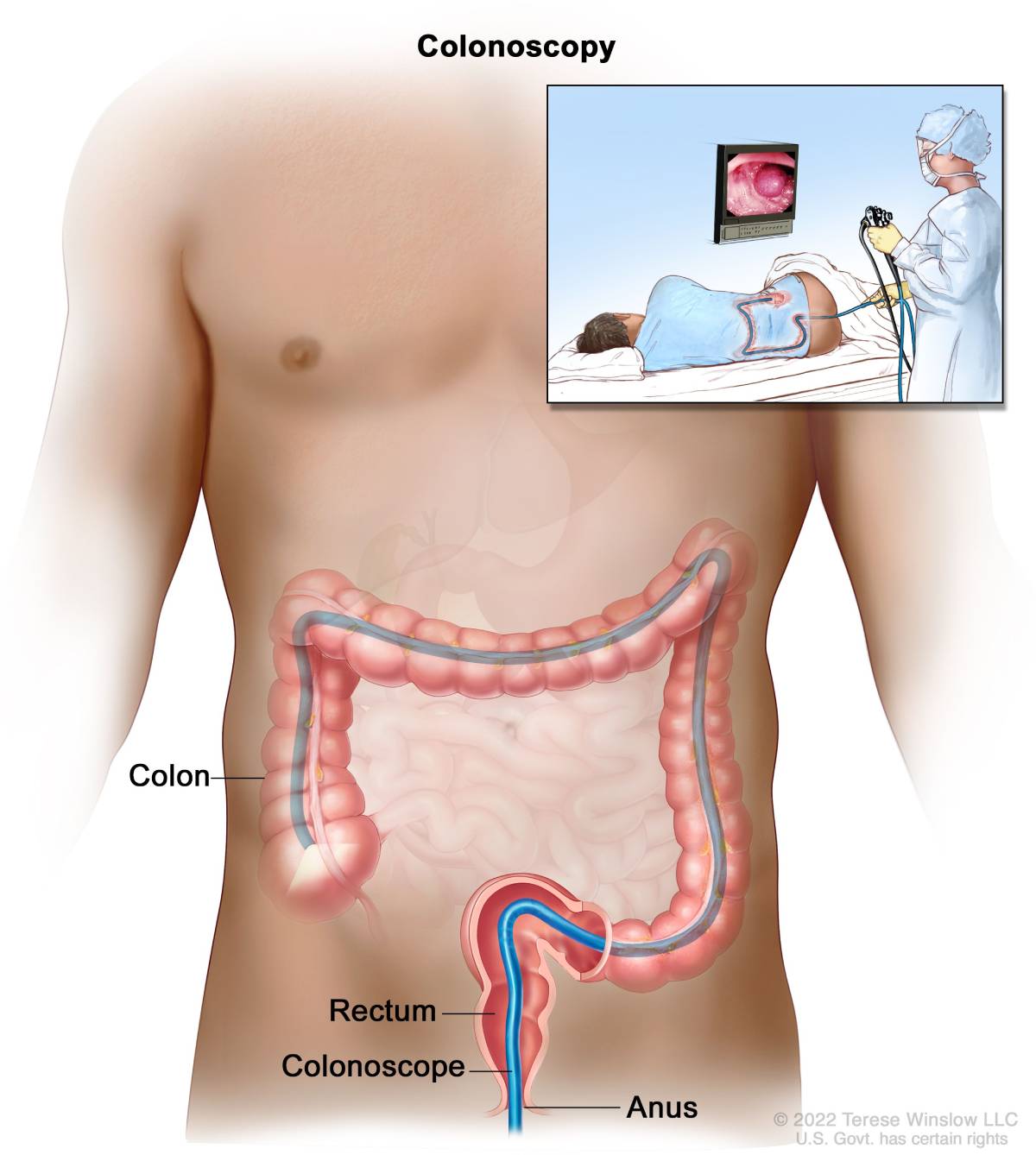
- Colonoscopy
- Capsule Endoscopy
- Double Balloon Small Bowel Endoscopy
- Pediatric Endoscopy
- Therapeutic ERCP
- Endoscopic Ultrasound
Interventional Endosonography (EUS)
- EUS guided Cystogastrostomy
- EUS guided Gastric Varices Coiling
- EUS guided Choledochoduodenostomy
- EUS guided Cholecystogastrostomy
- EUS guided HepaticoGastrostomy
- EUS guided Gastrojejunostomy
Gastroscopy
- EUS guided Cystogastrostomy
- EUS guided Gastric Varices Coiling
- EUS guided Choledochoduodenostomy
- EUS guided Cholecystogastrostomy
- EUS guided HepaticoGastrostomy
- EUS guided Gastrojejunostomy
Esophageal Dilatation in Nagpur
Endoscopic esophageal dilatation is the first-line treatment to relieve dysphagia (difficulty swallowing) due to benign esophageal strictures such as peptic, post-surgical, post-radiation, or caustic injury. A guidewire is passed across the narrowed segment, and then either a balloon or progressively larger bougie dilators are used to gently stretch the stricture under endoscopic or fluoroscopic guidance.
Balloon dilatation exerts radial pressure directly at the stricture, often with less post‑procedure pain, while bougie dilators exert axial pressure along the tract and are equally effective for symptom relief and long‑term outcomes. The goal is to restore an adequate lumen for comfortable swallowing while minimizing the risk of complications.
Indications and diagnosis
Endoscopic esophageal dilatation is typically recommended for:
Benign peptic strictures from longstanding gastroesophageal reflux.
Schatzki rings or webs causing intermittent solid food dysphagia.
Post-surgical or anastomotic strictures after esophageal or gastric surgery.
Post-radiation strictures and caustic ingestion injuries with segmental narrowing.
Eosinophilic esophagitis with fibrostenotic disease not controlled by medical therapy.
Strictures developing after endoscopic mucosal resection (EMR) or endoscopic submucosal dissection (ESD) for early cancers.
Before dilatation, diagnostic upper GI endoscopy is performed to confirm the site, length, and severity of the stricture and to rule out malignancy, often combined with targeted biopsies when needed. Imaging such as contrast swallow or CT may be used in complex or long strictures to assess the anatomy and plan the safest dilatation strategy.
Procedure and techniques
Endoscopic esophageal dilatation is usually done as a day‑care procedure under conscious sedation or short general anesthesia with continuous monitoring. After passing a guidewire through the stricture, one of two main techniques is used:
Balloon dilation
A balloon catheter is positioned across the narrowed segment, then gradually inflated to a predetermined diameter while the endoscopist observes the dilation.
Balloons apply radial, controlled pressure and typically cause less post‑procedure pain with similar efficacy to bougies.
Bougie (mechanical) dilation
Polyvinyl bougies of progressively larger diameters are passed over the guidewire or freehand to stretch the stricture.
This is effective for a wide range of benign strictures when performed in experienced hands.
Depending on the severity, one or several graded dilatation sessions may be required, usually spaced over weeks, to reach and maintain a target esophageal diameter that relieves dysphagia. Proton pump inhibitor therapy is often prescribed after dilatation to reduce reflux‑related injury and lower the risk of recurrence.
Safety, risks, and outcomes
Endoscopic esophageal dilatation is considered safe and effective when performed by trained specialists, with high success rates for symptom relief in benign strictures. The most important potential complications are:
Esophageal perforation, which is rare but serious and may require urgent intervention.
Bleeding, usually self‑limited or manageable endoscopically.
Post‑procedure chest or throat pain, more commonly reported with bougie than balloon dilatation.
Recurrence of narrowing, particularly in caustic, post‑radiation, or long complex strictures, sometimes necessitating repeat dilatations.
Large series and meta‑analyses show no significant difference between balloon and bougie dilatation in terms of perforation, bleeding, or long‑term recurrence, with balloon dilatation offering the advantage of less severe pain in many patients. Surgery or stenting is usually reserved for strictures that are refractory to repeated endoscopic dilatation or complicated by severe adverse events.
Why choose Dr. K. Amin Siddiqui in Nagpur
Dr. K. Amin Siddiqui is a gastroenterologist and hepatologist in Nagpur specializing in advanced diagnostic and therapeutic endoscopy, including esophageal dilatation for benign strictures. His practice focuses on minimally invasive, evidence‑based care for complex esophageal and digestive disorders with a strong emphasis on safety, accurate diagnosis, and long‑term follow‑up.
At his centers in Nagpur, patients benefit from high‑definition endoscopy systems, access to both balloon and bougie dilation techniques, and integrated management of underlying conditions such as GERD, eosinophilic esophagitis, and post‑surgical strictures. Personalized treatment plans, clear communication, and protocol‑driven post‑procedure monitoring help optimize swallowing function and reduce recurrence risk over time.
Book an Appointment
+91 8788982544
Locate us
Gondwana Square, Nagpur
siddiqui.amin10@gmail.com