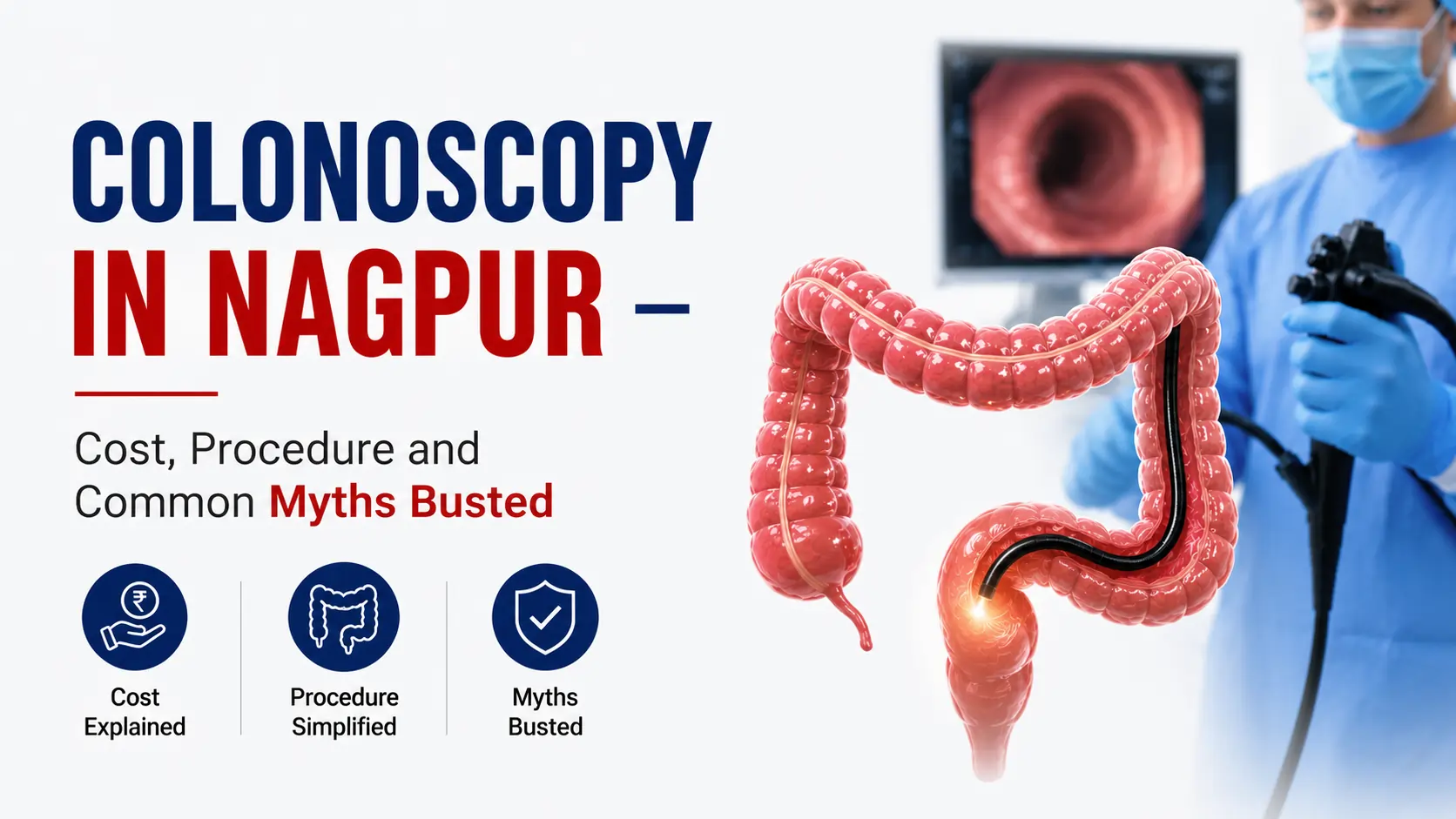
Colonoscopy in Nagpur - Cost, Procedure and Common Myths Busted
Introduction
For many patients, the word “colonoscopy” sounds intimidating. Questions about pain, preparation, safety, and cost often create anxiety before the procedure is even scheduled. However, a colonoscopy is one of the most important and effective tests used to diagnose and prevent serious digestive diseases.
As a gastroenterologist, I frequently meet patients who delay evaluation because of myths or misinformation they have heard online or from others. The truth is that modern colonoscopy is a safe, routine, and highly valuable procedure that can detect problems early — sometimes even before symptoms appear.
In this article, I’ll explain everything you should know about colonoscopy in Nagpur, including:
- What a colonoscopy is
- Why it is done
- How the procedure works
- Colonoscopy cost in Nagpur
- Preparation and recovery
- Risks and safety
- Common myths and misconceptions
The goal is simple: to provide clear, factual, and medically accurate information so patients can make informed decisions about their digestive health.
What Is a Colonoscopy?
A colonoscopy is a procedure used to examine the inner lining of the large intestine (colon) and rectum using a thin, flexible tube called a colonoscope. The scope contains a camera and light source that allow the doctor to view the colon in real time.
A colonoscopy helps diagnose and sometimes treat conditions affecting the digestive tract.
The procedure can identify:
- Colon polyps
- Colorectal cancer
- Ulcers
- Inflammation
- Bleeding
- Crohn’s disease
- Ulcerative colitis
- Intestinal narrowing
- Causes of chronic diarrhea or abdominal pain
According to the American College of Gastroenterology, colonoscopy remains the gold standard for detecting colorectal abnormalities and screening for colon cancer.
Why Is Colonoscopy Important?
Colonoscopy is not only a diagnostic test — it can also prevent cancer.
During the procedure, precancerous polyps can be removed before they develop into colorectal cancer. This makes colonoscopy one of the few screening tests that can both detect and prevent disease.
A doctor may recommend a colonoscopy if you have:
- Blood in stool
- Chronic constipation
- Persistent diarrhea
- Unexplained weight loss
- Iron deficiency anemia
- Chronic abdominal pain
- Family history of colon cancer
- Changes in bowel habits
- Positive stool test results
Routine screening is also recommended for adults over a certain age, especially those with risk factors.
Colonoscopy in Nagpur — Procedure Explained
One of the most common concerns patients have is not knowing what actually happens during a colonoscopy. Understanding the steps often reduces anxiety significantly.
Before the Procedure
The colon must be completely clean so the lining can be examined properly. This process is called bowel preparation.
Preparation usually involves:
- A liquid diet for a short period
- Drinking prescribed bowel-cleansing medication
- Avoiding certain foods and medications
Proper bowel preparation is extremely important because incomplete cleansing may affect visibility during the procedure.
During the Colonoscopy
The procedure is generally performed under sedation to keep the patient comfortable.
Step-by-step process:
- The patient lies on their side.
- Sedation is administered.
- The colonoscope is gently inserted through the rectum.
- The colon is examined carefully.
- Polyps or tissue samples may be removed if needed.
Most colonoscopies take approximately 20 to 45 minutes, depending on findings and whether additional procedures are performed.
After the Procedure
Patients are monitored briefly until the sedative effects decrease.
Temporary symptoms may include:
- Mild bloating
- Gas
- Mild cramping
- Drowsiness from sedation
Most patients recover quickly and return home the same day.
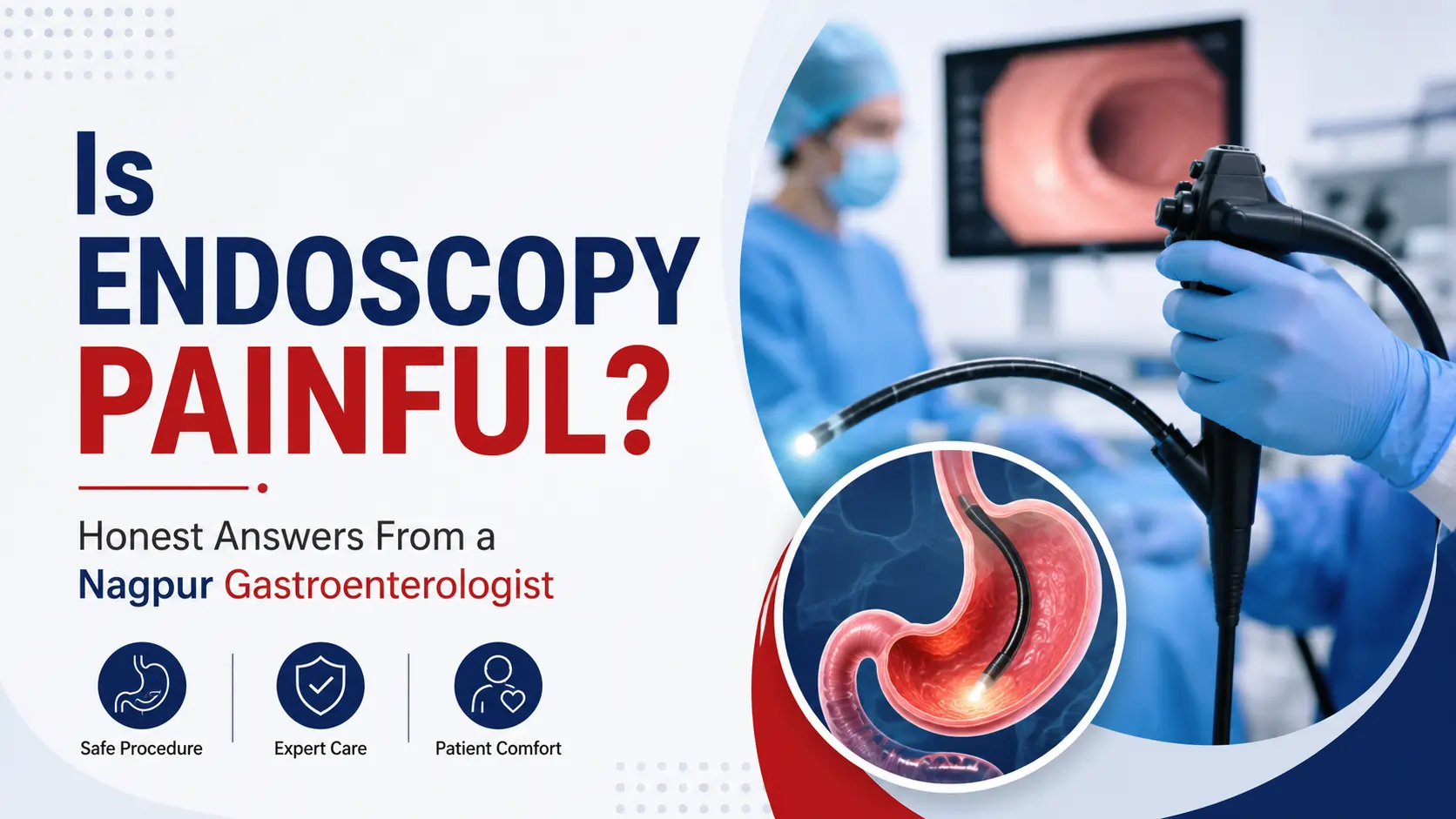
Is Colonoscopy Painful?
Modern colonoscopy is generally well tolerated.
Sedation helps most patients remain comfortable throughout the procedure. Many people remember little or nothing afterward.
Some patients may experience:
- Mild pressure
- Temporary bloating
- Cramping due to air introduced into the colon
Severe pain during colonoscopy is uncommon.
Colonoscopy Cost in Nagpur
One of the most searched questions online is about the colonoscopy cost in Nagpur.
The cost can vary depending on factors such as:
- Hospital or clinic facilities
- Type of sedation used
- Whether biopsy or polyp removal is needed
- Doctor’s expertise
- Additional investigations
In Nagpur, colonoscopy costs may typically range between:
Approximate Cost Range
- ₹4,000 to ₹15,000 or more
This estimate may change based on individual medical requirements.
Patients should understand that quality, safety standards, and specialist expertise are important considerations alongside cost.
For accurate pricing and procedure details, consultation with a gastroenterologist is recommended.
Visit:
👉 Pioneer Gastro Clinic
Common Myths About Colonoscopy
Unfortunately, misinformation causes many patients to avoid timely screening. Let’s address some common myths honestly.
Myth 1: Colonoscopy Is Extremely Painful
Fact:
Most colonoscopies are performed under sedation, and patients usually experience minimal discomfort.
Myth 2: Only Older Adults Need Colonoscopy
Fact:
Although screening commonly starts later in adulthood, younger individuals with symptoms or family history may also require evaluation.
Cases of colorectal disease in younger adults have increased globally in recent years.
Myth 3: Colonoscopy Is Dangerous
Fact:
Colonoscopy is considered a very safe procedure when performed by trained specialists.
Complications are uncommon but may include:
- Bleeding
- Perforation
- Sedation-related reactions
Serious complications are rare.
Myth 4: If I Have No Symptoms, I Don’t Need Screening
Fact:
Early colorectal cancer and polyps may not cause symptoms initially.
Screening can detect disease before symptoms appear.
Myth 5: Bowel Preparation Is Worse Than the Procedure
Fact:
Preparation can be inconvenient, but newer bowel prep methods are generally more tolerable than older regimens.
The actual procedure is usually much easier than patients expect.
Risks and Safety of Colonoscopy
Like any medical procedure, colonoscopy carries some risks, although serious complications are uncommon.
Potential risks include:
- Bleeding after biopsy or polyp removal
- Perforation of the colon wall
- Sedation-related complications
- Infection (rare)
Experienced gastroenterologists follow strict safety protocols to minimize these risks.
Patients should always discuss their medical history and medications before the procedure.
Who Should Consider Colonoscopy Screening?
Screening recommendations depend on individual risk factors and medical history.
A doctor may advise screening for:
- Adults above screening age recommendations
- Individuals with family history of colorectal cancer
- Patients with inflammatory bowel disease
- Those with persistent digestive symptoms
- Individuals with unexplained anemia or weight loss
Personalized medical guidance is important because screening intervals vary from patient to patient.
Recovery After Colonoscopy
Recovery is usually straightforward.
Patients are generally advised to:
- Rest for the remainder of the day
- Avoid driving after sedation
- Drink fluids
- Resume normal meals gradually if advised
Most people return to regular activities within 24 hours.
If severe pain, fever, heavy bleeding, or vomiting occurs after the procedure, immediate medical attention is necessary.
Why Early Detection Matters
Colorectal diseases often develop silently.
By the time symptoms become severe, the disease may already be advanced. Colonoscopy allows doctors to identify abnormalities early when treatment is often more effective.
Early detection may:
- Improve treatment outcomes
- Prevent colorectal cancer
- Reduce complications
- Improve long-term digestive health
Why Choose Dr. Amin Siddiqui for Colonoscopy in Nagpur?
Choosing an experienced gastroenterologist is essential for accurate diagnosis and patient safety.
Dr. Amin Siddiqui focuses on:
- Evidence-based digestive care
- Patient education
- Safe endoscopic procedures
- Modern diagnostic techniques
- Compassionate communication
Patients often feel more comfortable when procedures are explained clearly and honestly.
For consultation and appointments:
Questions Patients Ask Me About Gut Problems
Recent Post