Acidity vs GERD - How to Tell the Difference
Many people use the terms “acidity,” “acid reflux,” and “GERD” interchangeably. In daily conversations, they are often treated as the same problem. However, medically speaking, they are not exactly the same.
This confusion leads many patients to ignore symptoms for months or rely repeatedly on self-medication without understanding what is actually happening inside the digestive system.
Occasional acidity is extremely common and usually temporary. GERD, on the other hand, is a chronic condition that may require proper medical treatment and lifestyle management.
As a gastroenterologist, I frequently meet patients who assume persistent reflux symptoms are “normal acidity,” even when their condition has already progressed to chronic gastroesophageal reflux disease.
Understanding the difference between acidity vs GERD is important because untreated GERD can sometimes lead to complications affecting the food pipe and overall digestive health.
What Is Acidity?
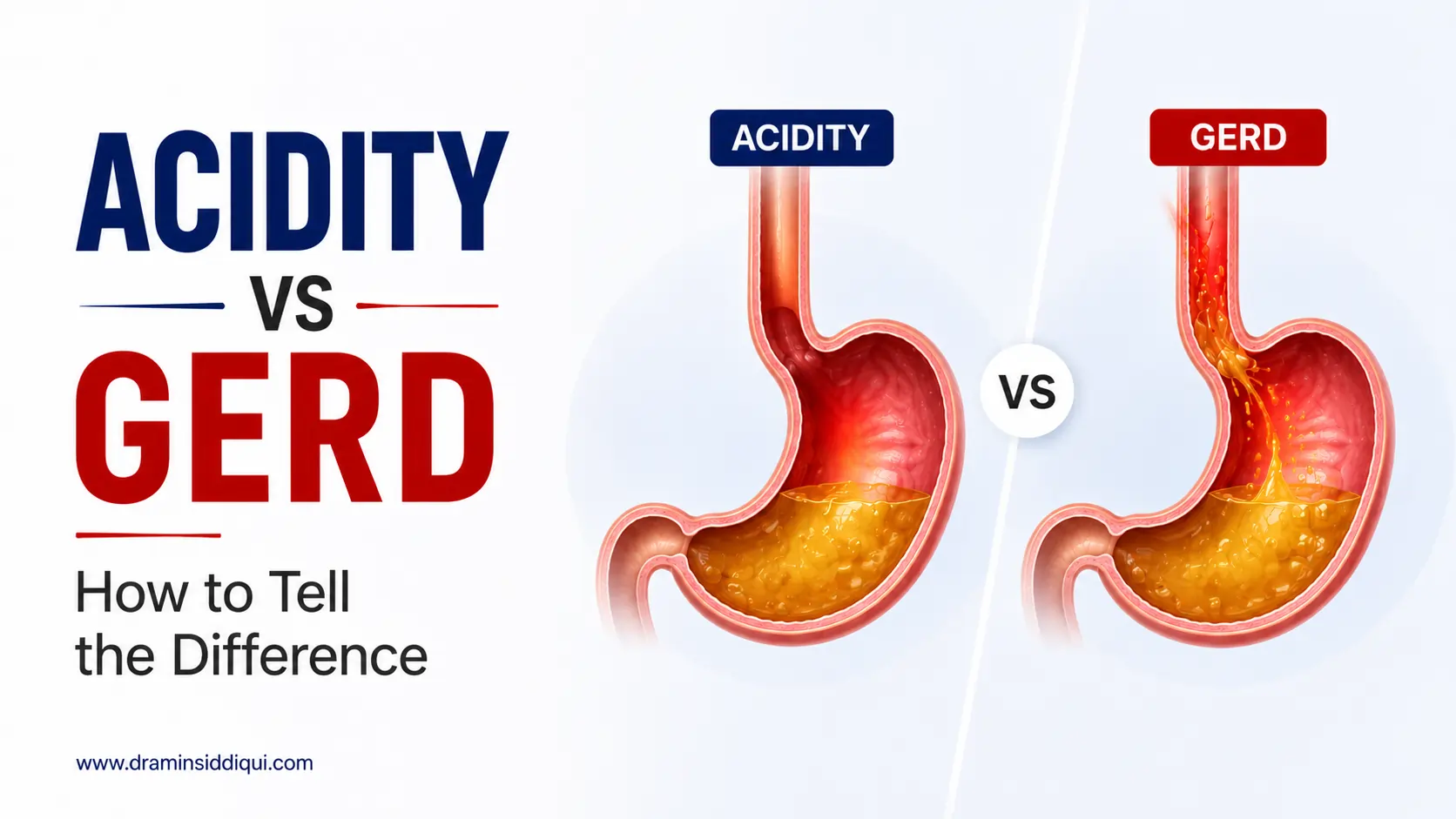
Acidity generally refers to temporary symptoms caused by excess stomach acid or irritation from acid reflux.
Common symptoms include:
- Burning sensation in the chest
- Sour taste in the mouth
- Mild bloating
- Burping
- Discomfort after heavy meals
These symptoms often occur after:
- Spicy or oily foods
- Overeating
- Late-night meals
- Excess tea or coffee
- Alcohol consumption
- Stress
In many cases, occasional acidity improves with dietary control and short-term medication.
What Is GERD?
GERD stands for Gastroesophageal Reflux Disease.
It occurs when acid reflux becomes frequent or persistent. Instead of occasional symptoms, patients experience repeated backflow of stomach acid into the food pipe.
Over time, this may irritate and damage the lining of the esophagus.
GERD is considered a chronic digestive condition rather than occasional acidity.
Patients with GERD may require long-term lifestyle modifications and medical evaluation.
Learn more about digestive disorders:
http://www.draminsiddiqui.com/
Acidity vs GERD — The Main Difference
The biggest difference between acidity and GERD is frequency and severity.
Occasional acidity may happen after certain foods or irregular eating habits. GERD involves ongoing reflux symptoms that occur repeatedly over time.
Acidity is usually temporary.
GERD is persistent and may interfere with daily life, sleep, eating habits, and long-term digestive health.
Many patients continue treating GERD with over-the-counter antacids without realizing the condition requires proper medical assessment.
Symptoms That May Suggest GERD Instead of Simple Acidity
Persistent reflux symptoms should not be ignored.
Symptoms commonly associated with GERD include:
- Frequent heartburn
- Regurgitation of food or acid
- Symptoms worsening at night
- Chronic cough
- Difficulty swallowing
- Throat irritation
- Hoarseness of voice
- Chest discomfort after meals
If symptoms occur multiple times every week, GERD becomes more likely.
Why GERD Happens
GERD develops when the lower esophageal sphincter — the valve between the food pipe and stomach — becomes weak or relaxes abnormally.
This allows stomach acid to move upward repeatedly.
Several factors increase the risk of GERD:
- Obesity
- Smoking
- Heavy meals
- Excess caffeine
- Alcohol
- Late-night eating
- Pregnancy
- Certain medications
Lifestyle plays a major role in many patients.
Why Self-Medication Can Be Risky
Many patients repeatedly take antacids without understanding the underlying condition.
Temporary symptom relief does not always mean the problem is resolved.
Persistent reflux may sometimes lead to complications such as:
- Esophagitis
- Ulcers in the food pipe
- Narrowing of the esophagus
- Barrett’s esophagus
This is why chronic symptoms should not be ignored.
Patients with persistent acidity symptoms may require proper gastroenterology evaluation:
http://www.draminsiddiqui.com/
When Should You See a Gastroenterologist?
Occasional acidity usually improves with lifestyle adjustments. However, medical evaluation becomes important if symptoms:
- Occur frequently
- Disturb sleep
- Continue despite medication
- Cause difficulty swallowing
- Are associated with vomiting
- Cause unexplained weight loss
- Cause chest discomfort repeatedly
Early diagnosis helps prevent complications and allows more effective treatment.
How GERD Is Diagnosed
Diagnosis often begins with symptom assessment and medical history.
Depending on the situation, further evaluation may include:
- Upper GI endoscopy
- Acid reflux testing
- Imaging studies
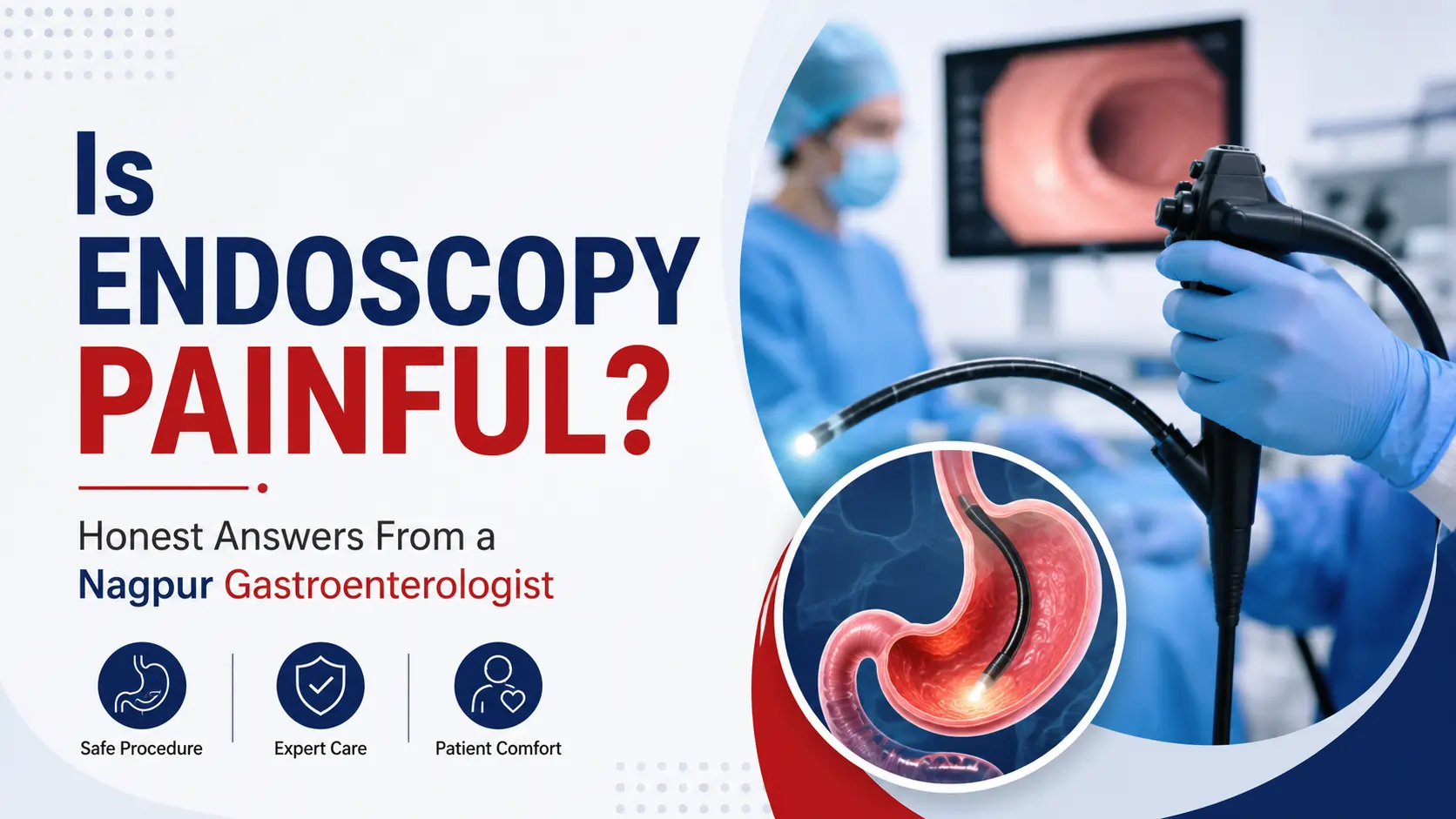
Endoscopy helps examine the food pipe and stomach for inflammation, ulcers, or other abnormalities.
Learn more about endoscopy.
Lifestyle Changes That Help Both Acidity and GERD
Lifestyle modification is one of the most important parts of treatment.
Patients are commonly advised to:
- Avoid overeating
- Reduce spicy and oily foods
- Avoid lying down immediately after meals
- Maintain healthy body weight
- Limit smoking and alcohol
- Eat meals at regular times
Simple habits often make a significant difference over time.
Can Stress Make Acidity Worse?
Yes. Stress can significantly affect digestive health.
Many patients notice worsening acidity symptoms during periods of anxiety, irregular sleep, or emotional stress.
Stress may increase stomach sensitivity and worsen reflux symptoms indirectly.
Managing stress, sleep, and routine often helps improve digestive comfort.
Is Every Burning Sensation GERD?
Not necessarily.
Chest burning may occur due to simple acidity, gastritis, food triggers, or temporary reflux episodes.
However, persistent or recurring symptoms should be evaluated properly instead of assuming they are harmless.
Correct diagnosis is important because treatment varies depending on the actual cause.
Can GERD Be Cured Completely?
GERD can usually be managed effectively with:
- Lifestyle changes
- Dietary modification
- Weight management
- Medication
- Medical follow-up when required
Some patients experience major improvement once triggers are controlled consistently.
The treatment approach depends on symptom severity and underlying factors.
Why Patients Consult Dr. Amin Siddiqui
Patients commonly seek consultation for:
- Chronic acidity
- GERD symptoms
- Bloating and gas
- Abdominal pain
- Endoscopy evaluation
- Digestive health concerns
Proper diagnosis and evidence-based treatment help patients manage symptoms more effectively and avoid complications.
Questions Patients Ask Me About Gut Problems
Recent Post