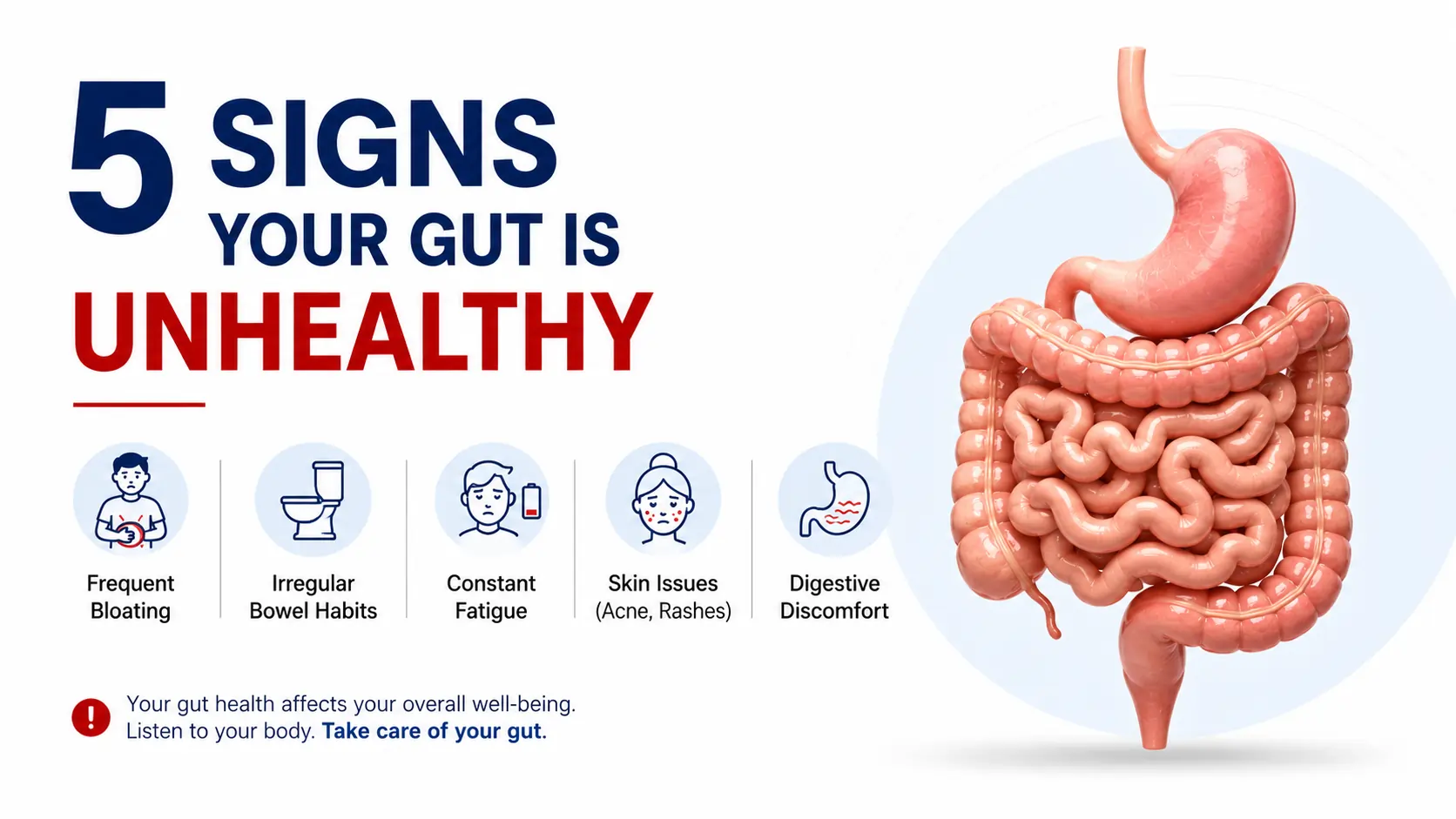
5 Signs Your Gut Is Unhealthy — And What a Gastroenterologist Recommends
Digestive health affects far more than just the stomach. The gut plays a major role in nutrient absorption, immunity, metabolism, mental health and overall well-being. When the digestive system is not functioning properly, the body often sends warning signs that should not be ignored.
As a gastroenterologist, I frequently see patients who have been experiencing symptoms for months — sometimes even years, before seeking medical advice. Many assume that bloating, acidity, constipation, or irregular digestion are “normal.” In reality, these symptoms may indicate that the gut is unhealthy and needs medical attention or lifestyle changes.
The good news is that many digestive problems can improve significantly with timely diagnosis, dietary and lifestyle modifications, and proper treatment.
In this article, I will discuss 5 important signs your gut is unhealthy, possible causes behind these symptoms, and what a gastroenterologist typically recommends to improve gut health safely and effectively.
Why Gut Health Matters
The digestive tract does much more than process food. A healthy gut helps:
- Absorb nutrients properly
- Support the immune system
- Maintain healthy bowel movements
- Regulate metabolism
- Protect against infections
- Support overall health
According to the National Institute of Diabetes and Digestive and Kidney Diseases, digestive disorders are among the most common health conditions worldwide.
Ignoring digestive symptoms can sometimes allow underlying conditions to worsen over time.
1. Frequent Bloating and Gas
One of the most common signs your gut is unhealthy is persistent bloating.
Occasional bloating after heavy meals is normal. However, frequent or severe bloating may indicate digestive imbalance or an underlying gastrointestinal condition.
Possible Causes
- Poor dietary habits
- Food intolerances
- Irritable bowel syndrome (IBS)
- Small intestinal bacterial overgrowth (SIBO)
- Constipation
- Excessive intake of processed foods
Some patients also notice increased gas, abdominal tightness, or discomfort after meals.
What a Gastroenterologist Recommends
To reduce bloating and improve gut health, patients are often advised to:
- Eat meals slowly
- Avoid overeating
- Reduce highly processed foods
- Limit carbonated beverages
- Identify trigger foods
- Increase water intake
Persistent bloating should be medically evaluated, especially if associated with weight loss, vomiting, or severe abdominal pain.
2. Chronic Constipation or Diarrhea
Changes in bowel habits are another important indicator that the gut may not be functioning properly.
Constipation may involve:
- Hard stools
- Infrequent bowel movements
- Straining
- Feeling of incomplete evacuation
Chronic diarrhea may include:
- Loose stools
- Frequent urgency
- Abdominal cramping
These symptoms can affect daily life significantly.
Possible Causes
- Low fiber intake
- Dehydration
- Infections
- IBS
- Inflammatory bowel disease
- Medication side effects
- Poor gut microbiome balance
In some cases, long-term bowel changes may require colonoscopy or further gastrointestinal evaluation.
What a Gastroenterologist Recommends
Improving bowel health often involves:
- Increasing dietary fiber gradually
- Drinking sufficient fluids
- Regular physical activity
- Limiting excessive junk food
- Managing stress
Patients with persistent bowel changes should consult a specialist rather than relying only on self-medication.
3. Frequent Acidity or Acid Reflux
Occasional acidity can happen after spicy or heavy meals, but frequent reflux may suggest an unhealthy digestive system.
Common symptoms include:
- Burning sensation in the chest
- Sour taste in the mouth
- Regurgitation
- Throat irritation
- Difficulty swallowing
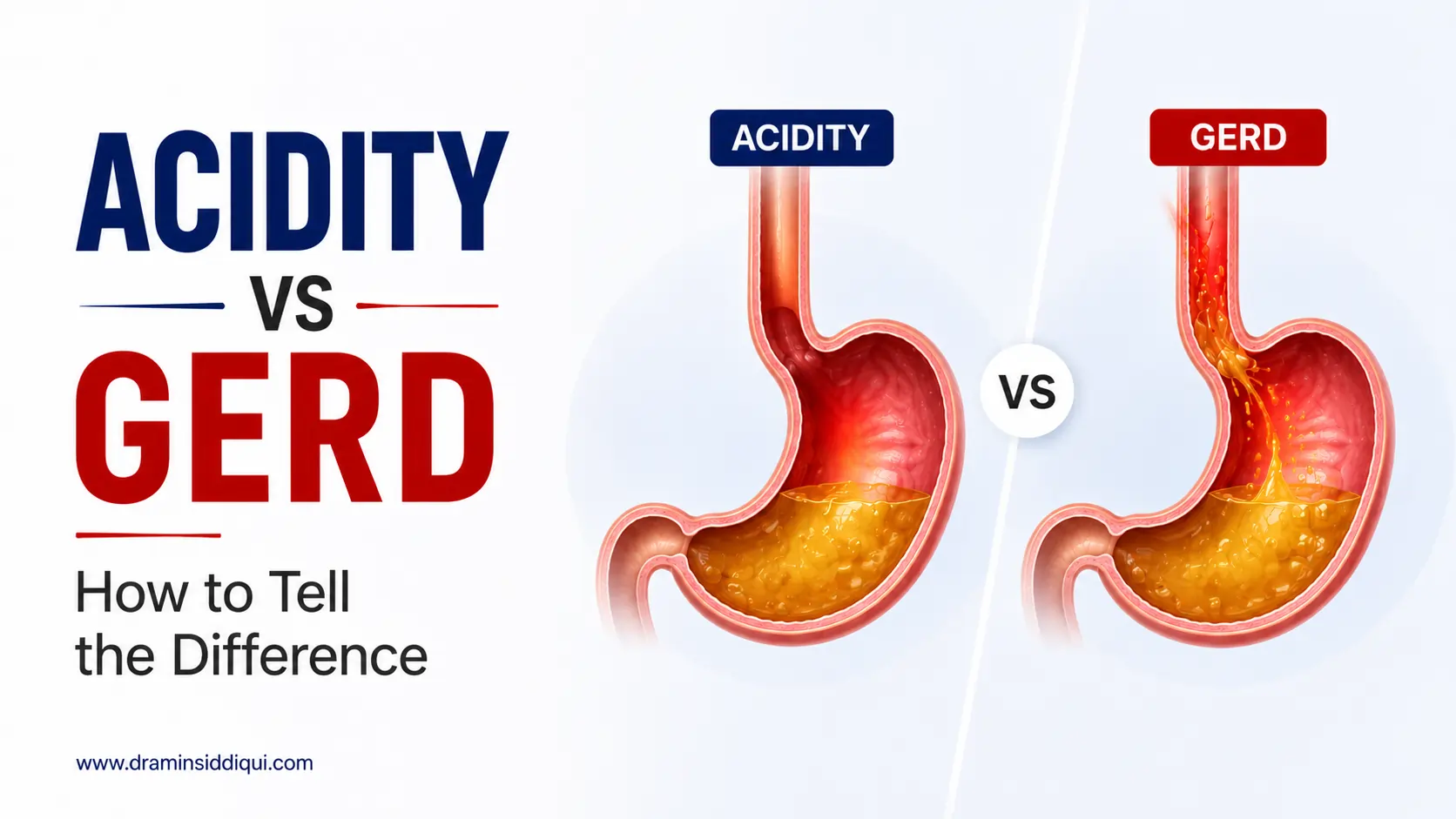
Chronic acid reflux may indicate GERD (Gastroesophageal Reflux Disease).
Why This Happens
Acid reflux occurs when stomach acid repeatedly flows backward into the food pipe.
Risk factors include:
- Obesity
- Smoking
- Heavy meals
- Late-night eating
- Excess caffeine
- Certain medications
Untreated reflux can sometimes lead to complications affecting the esophagus.
What a Gastroenterologist Recommends
Patients are commonly advised to:
- Avoid lying down immediately after meals
- Reduce spicy and oily foods
- Maintain healthy body weight
- Eat smaller meals
- Avoid smoking and alcohol
- Seek medical evaluation for persistent symptoms
Endoscopy may sometimes be recommended for ongoing reflux symptoms.
4. Persistent Abdominal Pain or Discomfort
Abdominal pain should never be ignored if it occurs frequently or repeatedly.
Pain may be:
- Cramping
- Burning
- Sharp
- Dull
- Associated with meals or bowel movements
Some patients tolerate recurring discomfort for long periods without understanding the underlying cause.
Possible Causes
Persistent abdominal discomfort may result from:
- Gastritis
- Peptic ulcers
- IBS
- Gallbladder disease
- Infections
- Inflammatory bowel disease
- Food intolerances
Proper diagnosis is important because treatment depends entirely on identifying the cause accurately.
What a Gastroenterologist Recommends
A specialist may recommend:
- Blood tests
- Ultrasound
- Endoscopy
- Colonoscopy
- Dietary changes
- Medication
Patients should seek medical advice immediately if pain is severe or associated with fever, vomiting, bleeding, or weight loss.
5. Unexplained Fatigue and Poor Immunity
Many people do not realize that gut health can affect energy levels and immunity.
An unhealthy gut may interfere with nutrient absorption, leading to:
- Fatigue
- Weakness
- Vitamin deficiencies
- Reduced immunity
The gut microbiome also plays a role in immune function.
Possible Causes
- Poor nutrition
- Malabsorption disorders
- Chronic inflammation
- Digestive diseases
- Imbalance in gut bacteria
Some patients with digestive disorders may experience tiredness long before significant gastrointestinal symptoms appear.
What a Gastroenterologist Recommends
Improving gut health may involve:
- Balanced nutrition
- Adequate protein intake
- Probiotic-rich foods
- Proper sleep
- Stress management
- Medical evaluation for deficiencies
Self-diagnosis should be avoided because symptoms like fatigue can have multiple causes.
How Lifestyle Affects Gut Health
Modern lifestyle habits significantly affect digestive function.
Factors that commonly harm gut health include:
- Excessive fast food
- Poor sleep
- Chronic stress
- Sedentary lifestyle
- Smoking
- Excess alcohol
- Irregular eating patterns
Small daily changes often make a noticeable difference over time.
Foods That Support a Healthy Gut
While treatment depends on individual conditions, certain foods generally support digestive health.
These may include:
- Fruits
- Vegetables
- Whole grains
- Yogurt with probiotics
- Fermented foods
- Fiber-rich foods
- Adequate water intake
Patients should remember that dietary recommendations should be personalized, especially in conditions like IBS or inflammatory bowel disease.
When Should You See a Gastroenterologist?
Many digestive symptoms improve temporarily with over-the-counter medication, but persistent symptoms should not be ignored.
You should consider medical evaluation if you experience:
- Frequent acidity
- Blood in stool
- Ongoing bloating
- Chronic constipation
- Persistent diarrhea
- Unexplained weight loss
- Difficulty swallowing
- Severe abdominal pain
Early diagnosis often prevents complications and allows more effective treatment.
Why Professional Evaluation Matters
Internet remedies and self-treatment may sometimes delay diagnosis of serious conditions.
A gastroenterologist can identify whether symptoms are related to:
- Functional digestive disorders
- Infections
- Inflammation
- Ulcers
- Liver disease
- Colon disorders
- Food intolerances
Accurate diagnosis is essential for safe and effective treatment.
Why Patients Consult Dr. Amin Siddiqui
As a gastroenterologist, my focus is on evidence-based digestive care and patient education.
Patients often seek consultation for:
- Acidity and reflux
- Abdominal pain
- Liver disorders
- IBS
- Constipation
- Colonoscopy and endoscopy
- Digestive health screening
Clear communication and proper evaluation help patients understand their condition and treatment options more confidently.
🌐 Website: https://www.draminsiddiqui.com
Questions Patients Ask Me About Gut Problems
Recent Post