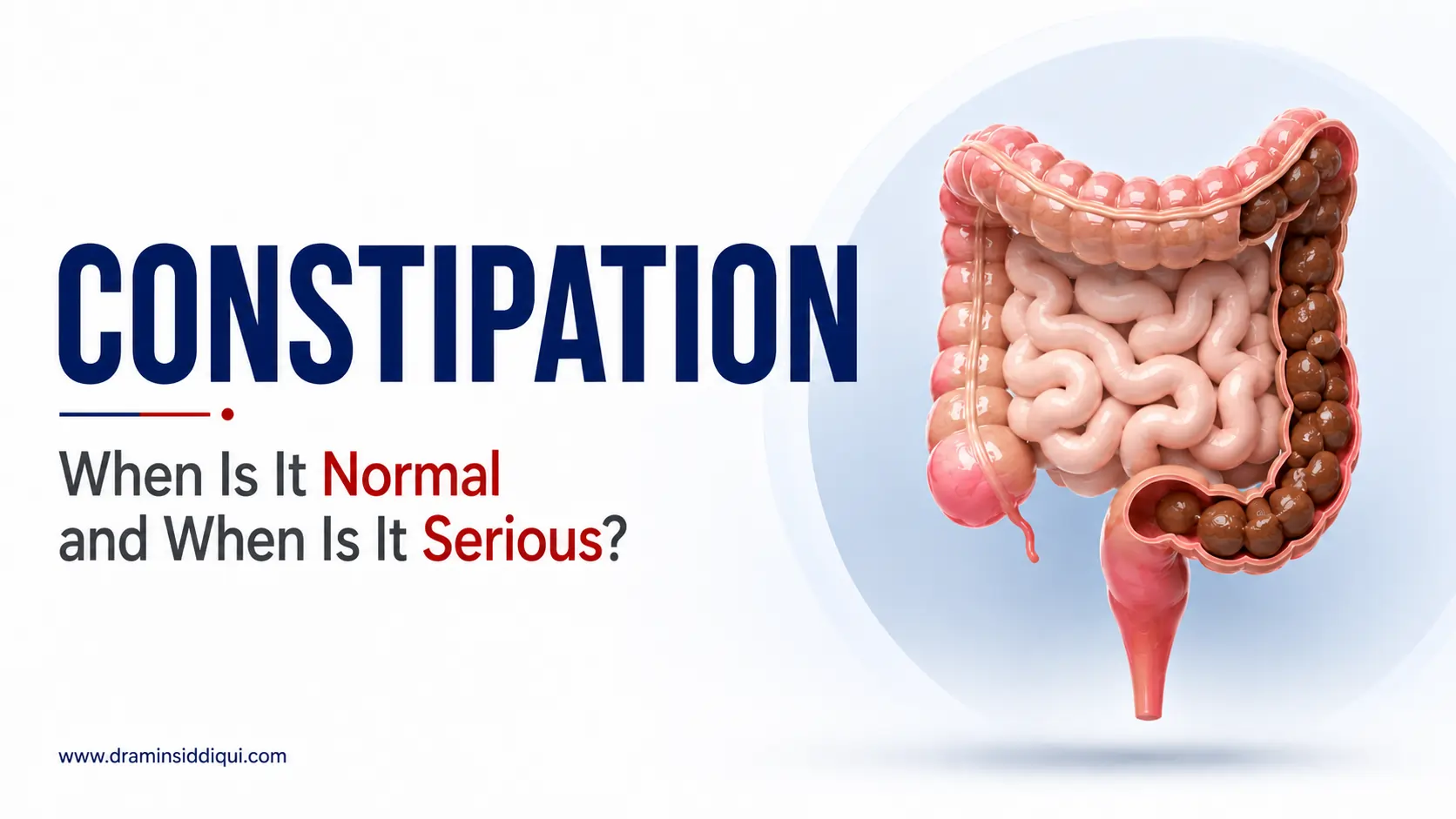
Constipation - When Is It Normal and When Is It Serious?
Constipation is one of the most common digestive problems seen in gastroenterology clinics. Almost everyone experiences it occasionally, especially during travel, stress, dehydration, dietary changes, or irregular routines. In many cases, it improves naturally or with simple lifestyle adjustments.
However, constipation is not always harmless.
Some patients ignore symptoms for months assuming it is “normal,” while others become worried too quickly. The important thing is understanding the difference between occasional constipation and symptoms that may require medical evaluation.
As a gastroenterologist, I often advise patients that constipation itself is usually a symptom rather than a disease. Identifying the underlying cause is the key to proper treatment.
In this article, I’ll explain when constipation is considered normal, when it becomes serious, and what steps can help improve digestive health safely.
What Is Constipation?
Constipation does not simply mean missing a bowel movement for one day.
Normal bowel frequency varies from person to person. Some healthy individuals pass stool daily, while others may do so every alternate day without any medical concern.
Constipation usually includes symptoms such as:
- Hard or dry stool
- Difficulty passing stool
- Excessive straining
- Feeling of incomplete bowel emptying
- Reduced bowel frequency compared to usual routine
Occasional constipation is extremely common and often temporary.
When Constipation Is Usually Normal
Short-term constipation is often linked to lifestyle factors and may improve once those triggers are corrected.
Common causes include:
- Low water intake
- Reduced physical activity
- Low-fiber diet
- Travel or routine changes
- Stress
- Ignoring the urge to pass stool
Certain medications may also contribute to constipation, including iron supplements, some pain medications, and antacids.
If constipation improves within a short period and there are no alarming symptoms, it is usually not serious.
Why Lifestyle Plays a Major Role
Modern lifestyle habits contribute significantly to digestive problems.
Many people consume processed foods regularly while eating very little fiber. Long working hours, inadequate hydration, poor sleep, and reduced physical activity can slow bowel movement over time.
The digestive system generally functions better with consistency. Irregular eating schedules and unhealthy food choices may gradually affect gut health and bowel regularity.
Patients experiencing ongoing digestive symptoms may benefit from a digestive health consultation:
http://www.draminsiddiqui.com/
When Is Constipation Serious?
This is one of the most common concerns patients ask: when is constipation serious?
Constipation should not be ignored if it becomes persistent or is associated with warning signs such as:
- Blood in stool
- Unexplained weight loss
- Severe abdominal pain
- Vomiting
- Persistent bloating
- Pencil-thin stools
- Sudden constipation in older adults
- Constipation lasting several weeks
These symptoms do not automatically indicate a serious disease, but they do require proper medical evaluation.
Conditions That May Cause Chronic Constipation
Persistent constipation may sometimes be linked to underlying digestive or medical conditions.
Possible causes include:
- Irritable bowel syndrome (IBS)
- Thyroid disorders
- Diabetes
- Neurological conditions
- Colon polyps
- Colorectal cancer
- Slow bowel movement disorders
This is why repeated self-medication without evaluation is not always advisable.
Patients with chronic digestive symptoms may require further assessment such as:
http://www.draminsiddiqui.com/colonoscopy-in-nagpur/
Can Constipation Cause Complications?
Occasional constipation rarely causes major issues, but severe or prolonged constipation may lead to complications.
These may include:
- Hemorrhoids
- Anal fissures
- Fecal impaction
- Rectal prolapse
Excessive straining during bowel movements commonly contributes to pain and bleeding around the anal region.
Early management helps prevent these complications.
How Constipation Is Evaluated
Evaluation depends on several factors including age, duration of symptoms, medical history, and associated complaints.
A gastroenterologist may assess:
- Bowel habits
- Diet and hydration
- Medication use
- Family history
- Associated symptoms
Depending on findings, additional investigations may include blood tests, imaging, or colonoscopy.
More information about digestive evaluations:
http://www.draminsiddiqui.com/
Simple Measures That Often Help
Many mild cases of constipation improve with practical lifestyle changes.
Increasing dietary fiber gradually may improve bowel movement consistency. Adequate hydration is equally important because fiber without enough fluids may worsen constipation.
Regular physical activity also supports healthy digestion.
Patients should avoid repeatedly suppressing the urge to pass stool, as this can worsen symptoms over time.
Are Laxatives Always Safe?
Laxatives can be useful when used correctly, but they should not become a long-term solution without medical advice.
Different laxatives work differently. Some soften stool, while others stimulate bowel movement directly.
Improper or excessive use may sometimes cause dependency or electrolyte imbalance.
Patients with ongoing constipation should seek proper diagnosis instead of relying only on over-the-counter medications.
Constipation in Older Adults
Constipation becomes more common with increasing age.
Factors contributing include:
- Reduced mobility
- Multiple medications
- Lower fluid intake
- Slower bowel movement
- Associated medical conditions
New-onset constipation in older adults should always be evaluated carefully, especially if accompanied by bleeding or weight loss.
When Should You Consult a Gastroenterologist?
Medical evaluation is important if constipation:
- Persists despite lifestyle changes
- Causes significant discomfort
- Alternates with diarrhea
- Causes bleeding
- Is associated with unexplained weight loss
- Develops suddenly without clear cause
Early diagnosis allows appropriate treatment and helps rule out serious conditions.
For consultation and digestive care:
http://www.draminsiddiqui.com/
Questions Patients Ask Me About Gut Problems
Yes. Normal bowel frequency differs among individuals, and not everyone needs daily bowel movements.
Constipation becomes concerning when it is persistent or associated with symptoms like bleeding, severe pain, vomiting, or weight loss.
Yes. Stress can influence digestion and contribute to constipation in some individuals.
Persistent bowel habit changes may require medical evaluation to rule out serious conditions including colorectal cancer.
Long-term laxative use should only occur under medical supervision.
Recent Post
-
 5 Signs Your Gut Is Unhealthy - Advice From a Gastroenterologist
 -
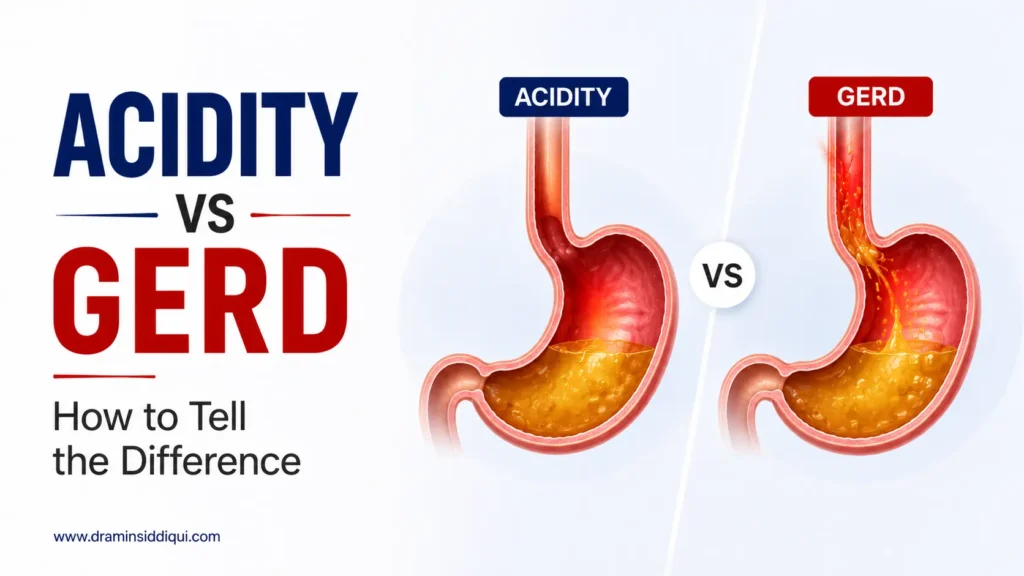 Acidity vs GERD - How to Tell the Difference
 -
 Colonoscopy in Nagpur - Cost, Procedure and Common Myths Busted
 -
 Is Endoscopy Painful? A Nagpur Gastroenterologist Answers Honestly
 -
 Gastroenterology Nagpur — Advanced Digestive Care at Pioneer Nursing Home